

13 Oct 2021 | Industry Insights
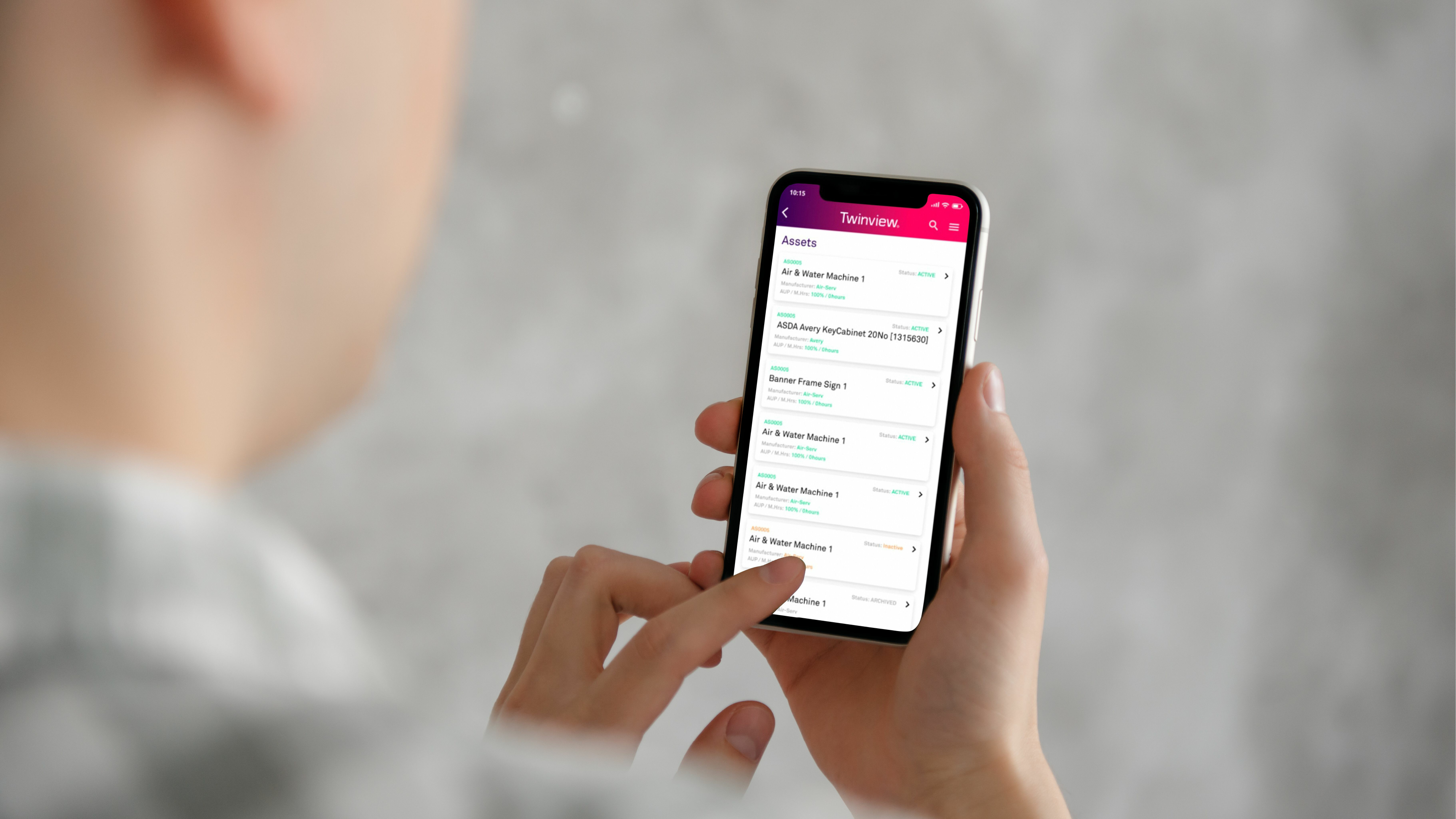
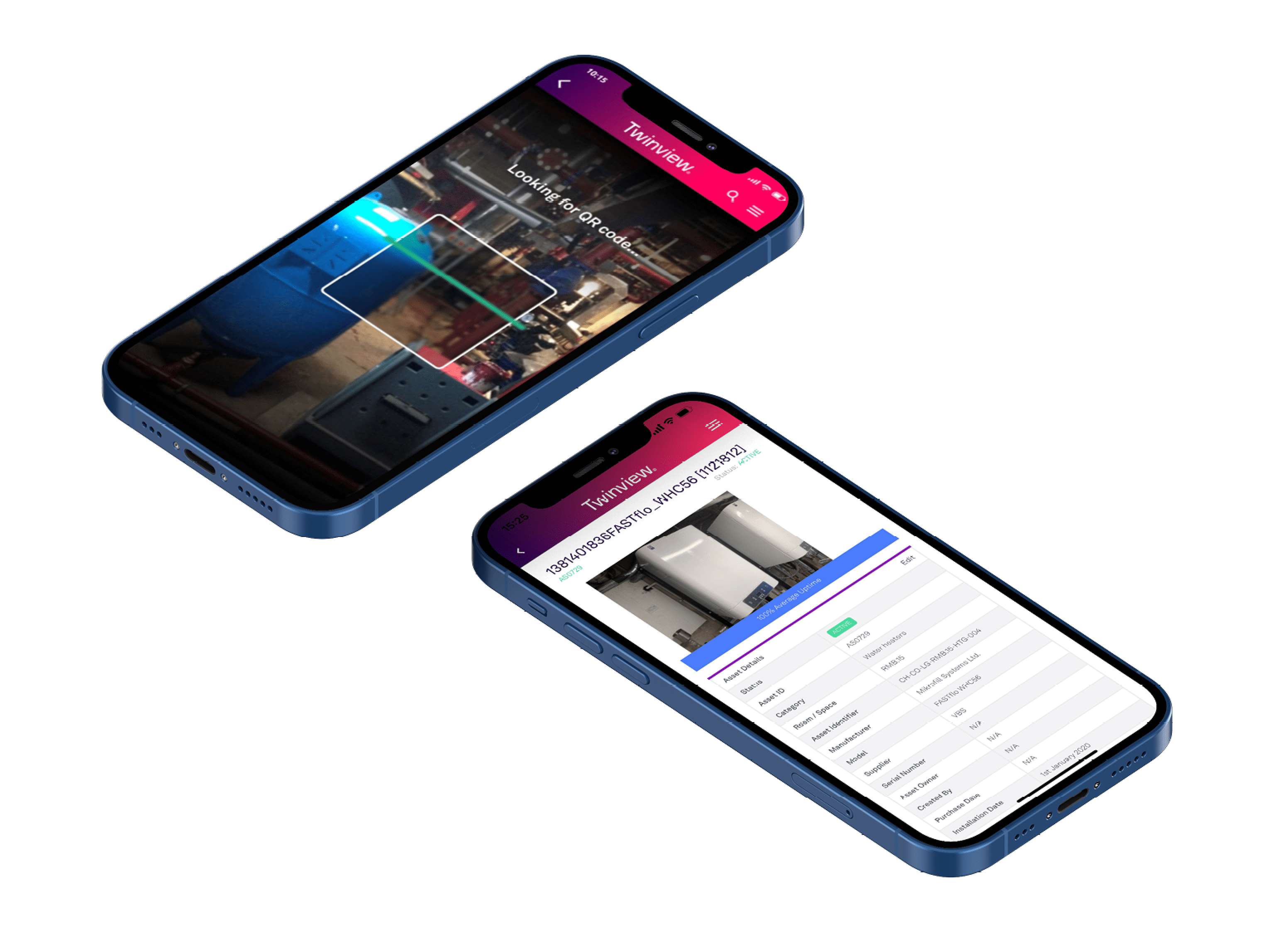
How Twinview's mobile app helps facility managers

Industry Insights
How Operational Intelligence Can Help Address NHS Waiting List Pressures
With NHS waiting lists exceeding 7.4 million appointments, improving operational efficiency across estates and facilities is more important than ever. While no single solution can resolve systemic pressures, clearer visibility of infrastructure and capacity can support better decision-making. Twinview provides an operational intelligence layer that brings together estate, asset and space data into a single, trusted view. By connecting existing systems and surfacing real-time information, it helps NHS organisations understand how rooms, assets and environments are being used and where constraints may be emerging. At East Sussex NHS, Twinview supports improved room occupancy oversight and operational coordination. These practical applications demonstrate how better infrastructure visibility contributes to smoother day-to-day operations, protecting clinical capacity and reducing avoidable disruption. By strengthening the operational foundations that healthcare delivery depends on, organisations are better equipped to manage demand pressures in a measured and informed way.

Industry Insights
Housing, Health Inequalities and the Digital Foundations We Need Now
A new report from the Centre for Local Economic Strategies (CLES) and The King’s Fund makes a compelling case: improving housing is one of the most effective ways to reduce health inequalities in the UK. Affordable, secure and good-quality homes function as a form of health infrastructure, shaping everyday conditions long before someone seeks clinical care. Delivering this vision, however, requires more than policy ambition. Housing providers need strong operational capability, clear visibility of asset condition and compliance status, and the ability to identify and address issues before they escalate. This is where digital foundations become critical. Twinview acts as an operational intelligence layer across housing portfolios, bringing together asset information, compliance records, system performance data and environmental insights into a single, structured view. By connecting existing systems and surfacing trusted information, it enables housing teams to see how their buildings are performing and where intervention may be required.

eBooks
Digital Twins in Higher Education Estates: A Practical Guide
Higher education institutions manage some of the most complex and diverse estates in the public sector, encompassing multi-campus environments, ageing infrastructure, specialist teaching and research facilities and high levels of daily occupancy. Effective estate management is therefore critical to supporting academic excellence, meeting sustainability commitments and maintaining financial resilience. As operational pressures increase and resources tighten, universities are increasingly exploring innovations such as digital twins to improve visibility and control across their estates.